The slow magic of Fermenting & Vinegar Pickling
Our own Mark Crawford gives a workshop on how to start fermenting strait from your harvest.
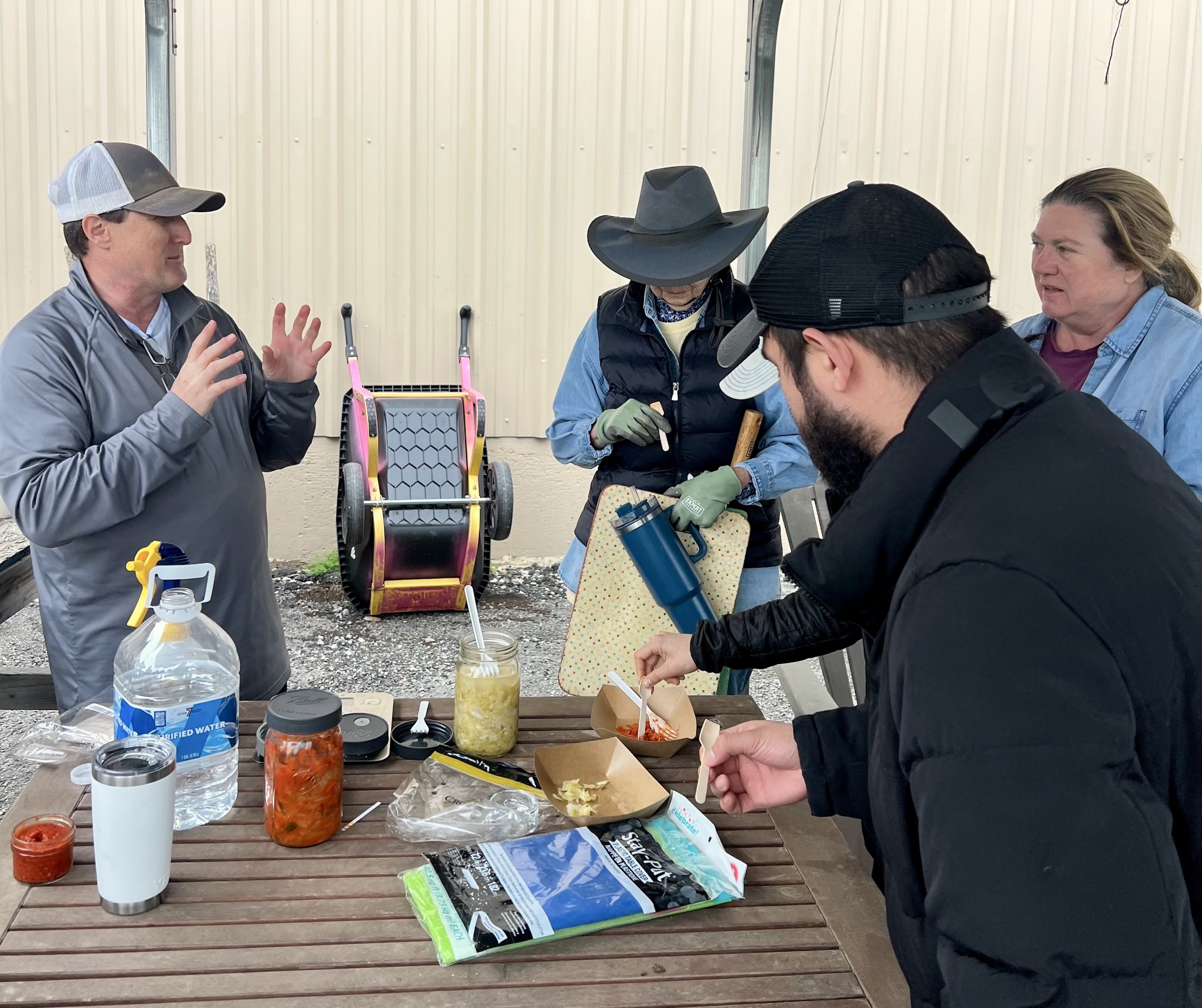
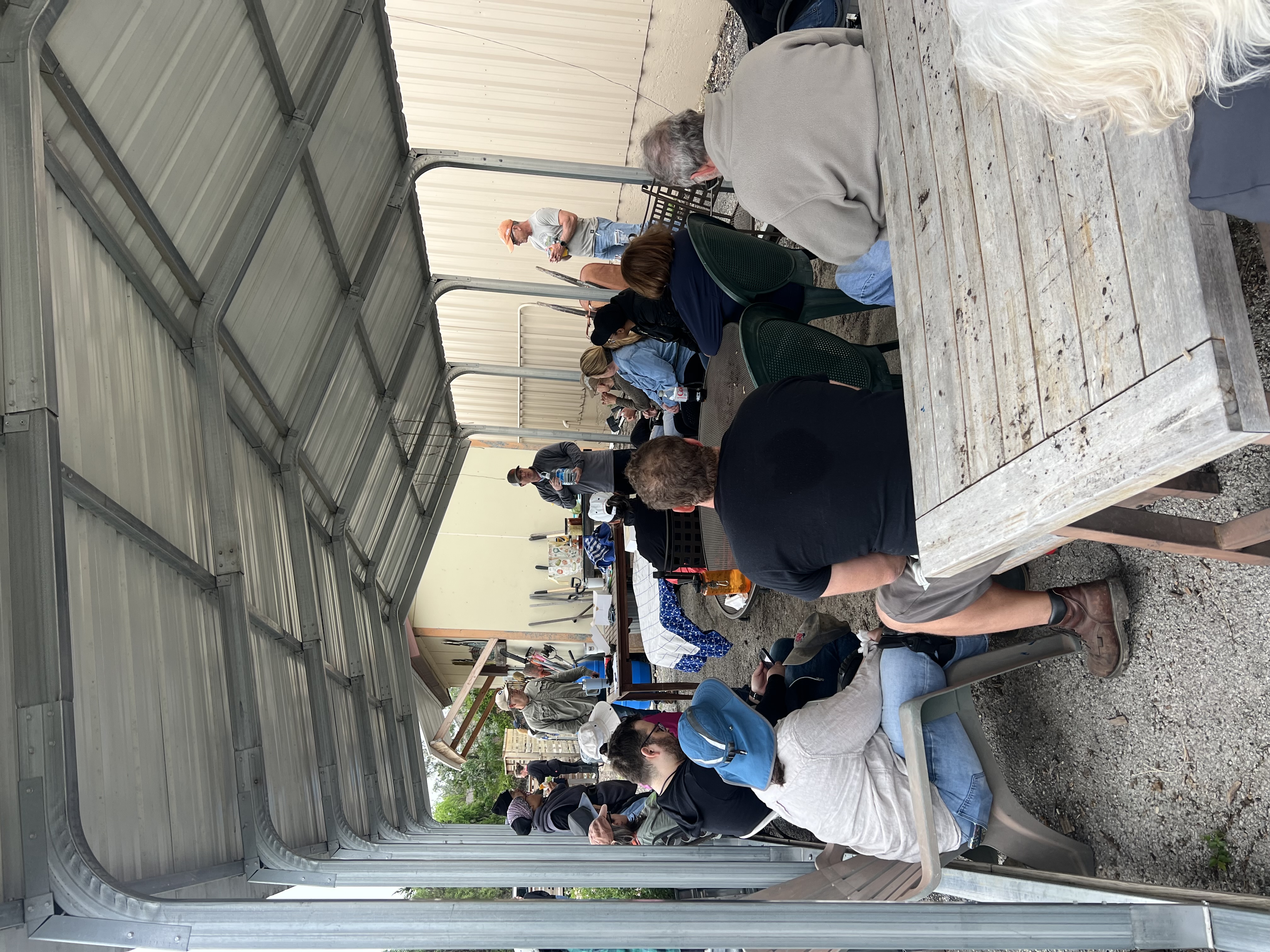
Mark Crawford has been pickling and fermenting for years, and it shows. In a recent workshop at LHCG Community Day, he walked us through the basics of fermentation and vinegar pickling with an easy, practical approach. A true vegetable enthusiast, Mark has tested and retested his methods over time, keeping a journal of every batch. And I can say firsthand—his kimchi and kraut are just about perfection.
Vegetable Fermentation (Lacto-Fermentation)
Fermentation is a natural preservation process where beneficial bacteria (primarily lactic acid bacteria) convert sugars in vegetables into lactic acid. This acid preserves the food and creates that signature tangy flavor.
How it works
- Vegetables are submerged in a saltwater brine (or salted directly)
- Naturally occurring bacteria consume sugars.
- Lactic acid is produced, lowering pH and preventing harmful bacteria growth.
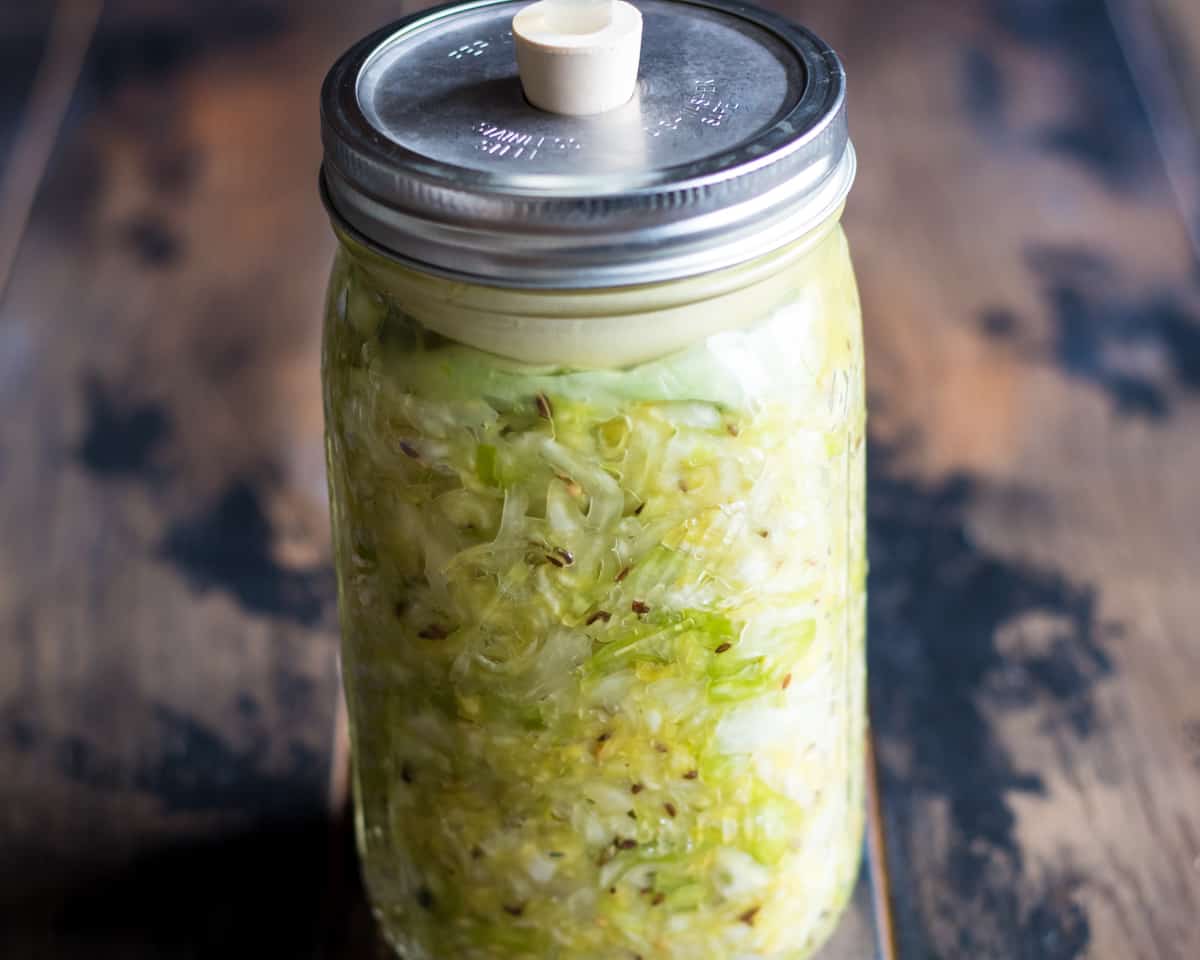

Sauerkraut, Kimchi, Fermented pickles, carrots, beets, turnips, radishes, green beans
Key characteristics:
- Develop over time (days to weeks)
- Contains probiotics (gut health and beneficial bacteria)
- Flavor becomes complex and tangy
- No vinegar required
Salt: The Key to Successful Fermentation
Salt isn’t just for flavor—it controls the entire fermentation process.
Dry Salting (like sauerkraut)
- Use 2–2.5% salt by weight of vegetables
- Example: 1,000 g cabbage → 20–25 g salt
Brine Fermentation (Total Weight method recommended)
Calculate salt based on the total weight of vegetables + water
Common ranges:
- Light: 2%
- Standard: 2.5–3%
- Strong: 4–5%
Example:
- 700 g vegetables + 300 g water = 1,000 g total
- 3% salt = 30 g salt
Why this works best:
- More accurate
- Accounts for water released from vegetables
- Creates consistent, reliable results
Tips:
- Always measure by weight (not volume)
- Use non-iodized salt
- Keep everything fully submerged
If salt is off:
- Too little → risk of spoilage, soft texture
- Too much → slows fermentation, overly salty

Vinegar Pickling (Quick Pickling)
Pickling uses vinegar (acetic acid) to immediately acidify vegetables and preserve them.
How it works
Vegetables are submerged in a vinegar-based solution (often with water, salt, and sugar). The acidity comes directly from vinegar rather than bacterial activity.
Pickled cucumbers, onions, peppers, radishes, beets, turnips, green beans, carrots
Key characteristics:
- Ready quickly - hours to days
- No fermentation occurs
- No probiotic benefits
- Flavor depends on vinegar and spice

A quick note on safety - Ph matters!
When preserving food, safety is key.
- A pH of 4.6 or lower is required to prevent harmful bacteria
- For best practice, aim for pH 4.0–4.2 or lower
Fermented foods:
- Naturally reach safe acidity (typically pH 3.2–4.0)
- Should stay fully submerged and be given enough time
- Are usually stored in the refrigerator after fermenting unless you further process.
Pickled foods:
- Start acidic thanks to vinegar
- Can be shelf-stable if using proper canning methods
When in doubt: refrigerate.
Do Pickels Go Bad in The Fridge? hear from experts at Food and Wine
Basic Supplies
For Fermentation
Essentials:
- Fresh vegetables
- Non-iodized salt
- Clean water
- Glass jars or crocks, also experiment with burping lids
Helpful tools:
- Fermentation weights
- Airlock lids
- Kitchen scale (highly recommended)
- pH strips (optional but helpful)
For Pickling
Essentials:
- Fresh vegetables
- Vinegar (5% acidity)
- Water, salt, sugar
- Spices
For shelf-stable canning:
- Mason jars with lids
- Large pot or water bath canner
- Jar lifter
Note:
- Keep a journal of what you did, added, ph level etc... This valuable information will allow you to grow in this craft.
- Salt + anaerobic environment = safe fermentation foundation
- pH confirms safety; salt controls the process
Final Thoughts
Both methods are simple, rewarding ways to extend the life of your harvest:
- Fermentation brings depth, nutrition, and tradition
- Pickling offers speed, ease, and consistency
At the heart of it, both are about the same thing we value in the garden:
making the most of what we grow and sharing it well.